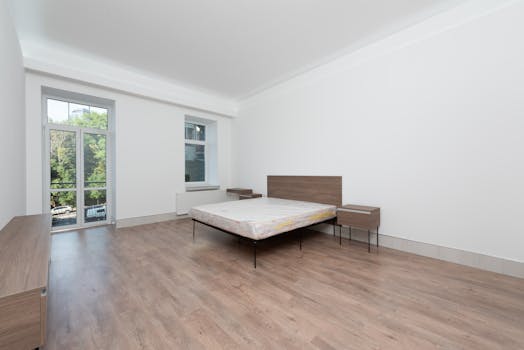
Imagine a home where spills are no longer a source of panic, where the kids can play with abandon without you worrying about scraped knees, and where your feet feel consistently comfortable. This isn’t a futuristic dream; it’s the reality that durable, versatile rubber flooring residential spaces can offer. Often relegated to gyms, garages, or commercial settings, rubber flooring has quietly evolved, presenting a wealth of benefits for the modern homeowner. It’s more than just a utilitarian choice; it’s a sophisticated and practical solution that deserves a closer look.
Why Consider Rubber Flooring for Your Home?
You might be picturing the utilitarian, black, interlocking tiles from your local fitness center. While those are certainly an option, the world of residential rubber flooring is far more expansive and aesthetically pleasing today. From vibrant colors and intricate patterns to textures that mimic natural materials, rubber has shed its purely functional image.
The core appeal lies in its inherent properties. Rubber is exceptionally durable, capable of withstanding heavy foot traffic, dropped items, and the general wear and tear of family life. It offers superior shock absorption, making it a fantastic choice for areas prone to accidents, like playrooms or elderly living spaces. Furthermore, its natural slip resistance is a significant safety advantage, particularly in kitchens, bathrooms, or entryways where moisture can be a concern.
Exploring the Diverse Styles and Applications
The sheer variety available in rubber flooring residential applications today is truly impressive. Gone are the days when your only choice was solid black.
Tiles vs. Rolls: Rubber flooring comes in both interlocking tiles and large rolls. Tiles offer DIY-friendly installation and the ability to replace individual damaged sections. Rolls provide a seamless, monolithic look and can be more cost-effective for larger, uniform areas.
Color and Pattern Options: You’ll find an astonishing spectrum of colors, from subtle earth tones and calming neutrals to bold, vibrant hues. Many options feature speckled designs, creating visual interest and helping to camouflage minor scuffs or dirt. Some advanced manufacturing techniques even allow for custom patterns and designs, offering a truly unique flooring experience.
Texture and Finish: Beyond color, textures vary greatly. Some rubber flooring offers a smooth, polished finish, while others boast a more pronounced grip or even designs that mimic the look of wood or stone. This versatility means you can achieve a wide range of aesthetic goals.
Where Does Rubber Flooring Shine in a Home?
While it can work in many areas, certain spaces truly benefit from the advantages of rubber flooring residential installations.
Kitchens and Bathrooms: The superior water resistance and slip-retardant properties make these high-moisture areas a prime candidate. Spills are easily wiped up, and the risk of slips and falls is significantly reduced.
Playrooms and Kids’ Bedrooms: This is where rubber flooring really proves its worth. The shock absorption protects little ones from bumps and bruises during playtime, and the durability means it can handle toys being dropped and frequent cleaning.
Home Gyms and Workout Areas: Naturally, this remains a popular choice. It provides a stable, shock-absorbent surface for exercise equipment and protects your subfloor from heavy weights.
Mudrooms and Entryways: Incoming dirt, mud, and moisture are no match for rubber. It’s incredibly easy to clean and maintain, keeping the rest of your home tidy.
Basements and Garages: These often utilitarian spaces benefit from rubber’s resilience, moisture resistance, and ability to withstand heavy items.
Installation and Maintenance: Simpler Than You Think
One of the common hesitations about rubber flooring residential applications is the perceived complexity of installation. However, depending on the product, it can be surprisingly straightforward.
DIY-Friendly Options: Interlocking tiles, as mentioned, are often designed for easy DIY installation. They simply click together, and for many homeowners, this can be a weekend project.
Professional Installation: For rolled flooring or more complex designs, professional installation is recommended to ensure a perfect finish and proper adhesion.
Maintenance: This is where rubber truly excels. Regular sweeping or vacuuming is usually all that’s needed to keep it clean. For deeper cleaning, a mild detergent and water solution is typically sufficient. Harsh chemicals and abrasive cleaners should generally be avoided, but that’s a small price to pay for its ease of care. I’ve often found that homeowners are pleasantly surprised at how little effort is required to keep their rubber floors looking great, year after year.
Weighing the Pros and Cons
Like any flooring material, rubber flooring residential choices come with their own set of advantages and disadvantages. Understanding these will help you make an informed decision.
Pros:
Exceptional Durability: Resists wear, tear, and heavy traffic.
Superior Shock Absorption: Reduces impact and noise, ideal for active households.
Excellent Slip Resistance: Enhances safety, especially in wet areas.
Water and Stain Resistance: Easy to clean and protects against spills.
Comfort Underfoot: Provides a cushioned and comfortable surface.
Variety of Styles: Available in numerous colors, patterns, and textures.
Environmentally Friendly Options: Many are made from recycled rubber.
Cons:
Odor: Some rubber flooring, particularly new installations, can have a distinct rubbery odor. This typically dissipates over time, but it’s something to be aware of. Proper ventilation during and after installation can help mitigate this.
Cost: While not always the most expensive option, high-quality rubber flooring can have a higher upfront cost than some basic alternatives. However, its longevity often makes it a cost-effective choice in the long run.
Potential for Indentation: Very heavy furniture placed on rubber flooring for extended periods could potentially leave indentations. Using furniture pads can help prevent this.
Chemical Sensitivity: Certain harsh chemicals can damage rubber flooring. It’s important to use only recommended cleaning products.
Final Thoughts: Is Rubber Flooring Residential Your Home’s Next Best Step?
The landscape of residential flooring has expanded dramatically, and rubber is no longer just an afterthought for utility spaces. Its blend of resilience, safety, comfort, and evolving aesthetics makes it a compelling choice for homeowners seeking a practical yet stylish solution. Before you commit, consider the specific needs of each room, your desired look, and your budget. However, if you’re looking for flooring that can keep up with a busy lifestyle without sacrificing comfort or safety, exploring the diverse world of rubber flooring residential options is a step worth taking. It might just surprise you with its quiet competence and enduring appeal.